As Nigeria marked its 63rd year of independence, The Benjamin Feyijimi Initiative created a platform for citizens to reflect on the country’s journey, achievements and continuing challenges.
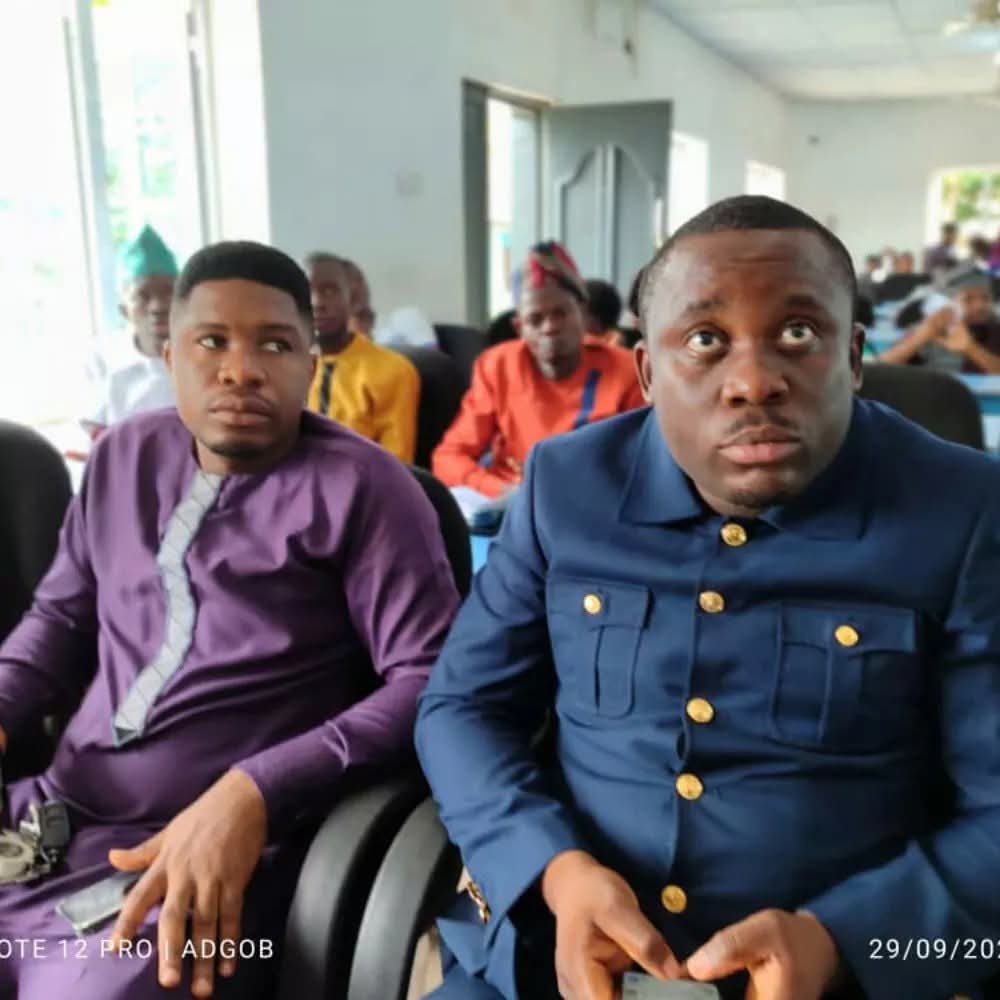
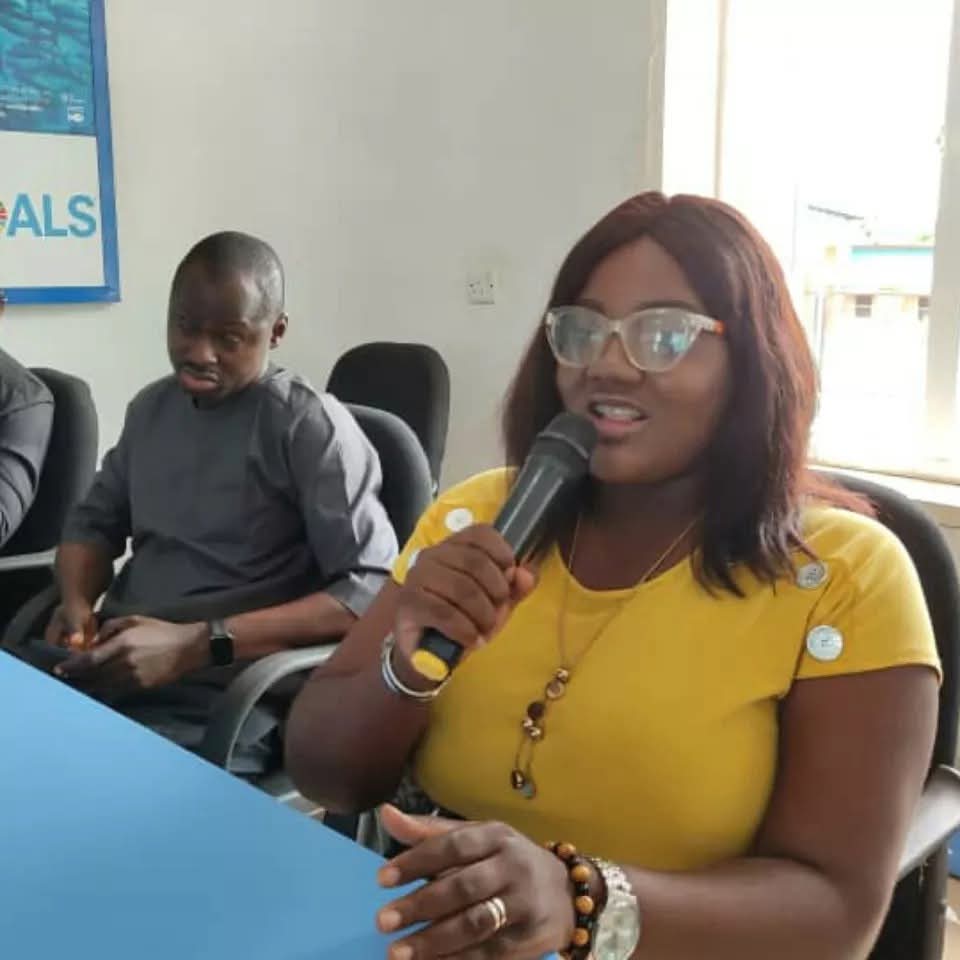
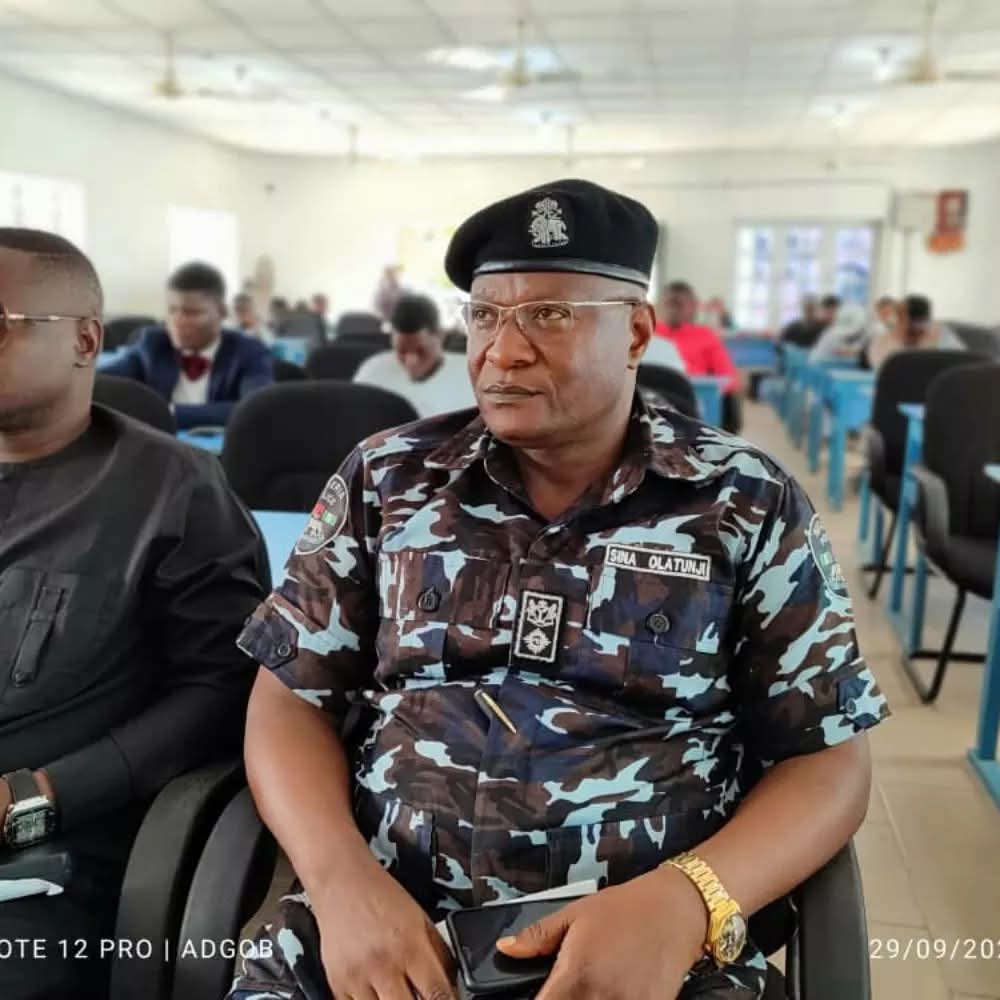
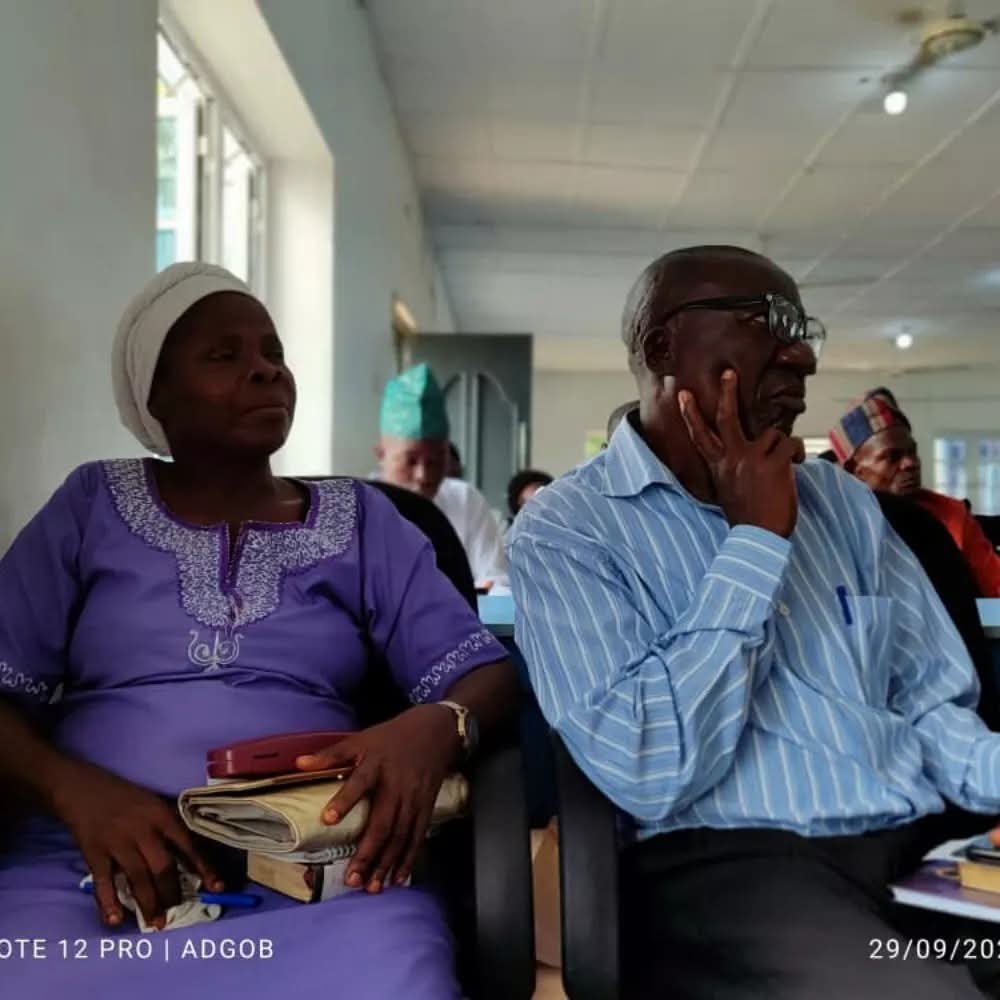
The Nigeria & I Independence Summit 2023 was held on 29 September 2023 at the Department of Peace, Security and Humanitarian Studies, University of Ibadan.
The event featured a timely discussion titled:
“Nigeria at 63: Progressing or Retrogressing?”
It invited participants to look beyond the celebrations associated with Independence Day and honestly examine the state of the nation.

A Necessary National Conversation
More than six decades after gaining independence, Nigeria has made progress in several areas. The country has developed one of Africa’s largest economies, produced globally recognised professionals and creatives, and remained influential across the continent.
However, Nigeria continues to confront serious challenges, including insecurity, unemployment, poverty, weak institutions, inadequate infrastructure and declining public confidence.
The summit provided an opportunity to consider both sides of Nigeria’s story: the progress that should be acknowledged and the problems that must no longer be ignored.
Rather than offering simple answers, the conversation encouraged participants to think critically about where Nigeria stands and what must change for the country to fulfil its potential.
Bringing Different Voices Together
The event featured a diverse group of speakers and contributors, including Hon. Sukanmi Babalola, Hon. Sunday Oni, Hon. Kazeem Bolarinwa, Mr. Oladayo Ogunbowale, Adeyeye Bukola Shalom and Mr. Gboyega Tokunbo.
Bringing together voices from different backgrounds helped create a broader conversation about leadership, citizenship and national development.
The summit recognised that Nigeria’s challenges cannot be addressed by political leaders alone. Progress requires contributions from young people, professionals, entrepreneurs, civil society organisations, community leaders and ordinary citizens.
Moving From Reflection to Responsibility
The question of whether Nigeria is progressing or retrogressing cannot be answered only through statistics or government policies. It must also be considered through the everyday experiences of Nigerians.
Are young people receiving the education and opportunities they need?
Are communities becoming safer?
Are public institutions earning the trust of citizens?
Are Nigerians taking responsibility for their actions and communities?
These questions remind us that national development is not only about what the government does. It is also shaped by how citizens behave, participate and hold leaders accountable.
The summit encouraged participants to move from discussing Nigeria’s problems to considering their individual and collective responsibilities.
Engaging Young Nigerians
Hosting the event within the University of Ibadan environment made the conversation especially significant. Educational institutions are important spaces for developing new ideas, questioning accepted systems and preparing future leaders.
Young Nigerians will play a major role in determining the direction of the country. Their values, choices and participation will influence Nigeria’s politics, economy and social development.
The Nigeria & I Independence Summit offered them an opportunity to engage with national issues and recognise that they do not have to wait until they hold political office before making a difference.
Leadership can begin in the classroom, workplace, neighbourhood or community.
Gallery



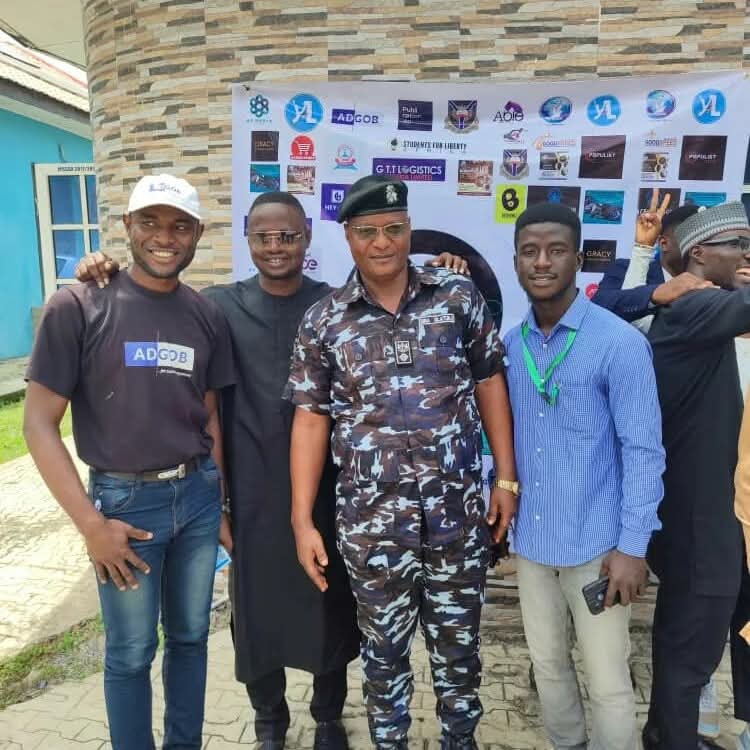
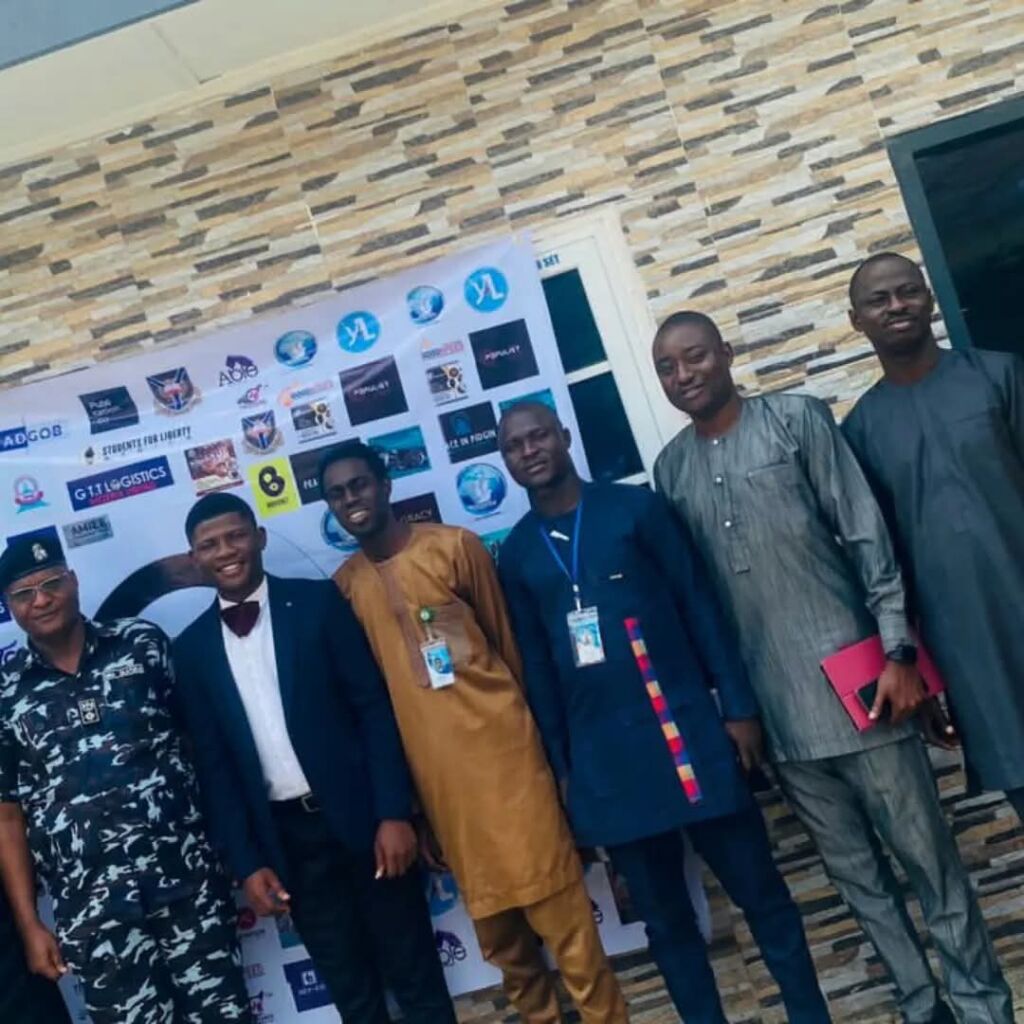
Renewing Hope in Nigeria
Honest conversations about Nigeria should acknowledge the country’s difficulties without presenting them as impossible to overcome.
The purpose of reflection is not to create despair. It is to identify where change is needed and inspire people to become part of that change.
Convened by Feyijimi Benjamin, the 2023 summit demonstrated The Benjamin Feyijimi Initiative’s commitment to promoting active citizenship, responsible leadership, youth development and meaningful national conversations.
Nigeria’s progress will depend not only on the number of years since independence, but on the willingness of its people to build institutions that work, demand accountability and contribute positively to society.
The question remains relevant beyond the anniversary:
Is Nigeria progressing or retrogressing—and what are we prepared to do about it?